
TL;DR: So erstellen Sie eine Sales-Funnel-Landingpage in WordPress
Eine Sales-Funnel-Landingpage bewegt Besucher zu einer einzigen Aktion: einem Kauf, einer Anmeldung oder einer Buchung. Im Gegensatz zu einer allgemeinen Webseite zielt jedes Element auf ein einzelnes Ziel ab.
- Vorlage auswählen: Wählen Sie eine SeedProd-Funnel-Seitenvorlage, die zu Ihrer Phase passt (TOFU, MOFU oder BOFU).
- Für Ihre Phase anpassen: Passen Sie Überschrift, Bilder und CTA an, wo sich Ihr Besucher in der Kaufreise befindet.
- E-Mail-Dienst verbinden: Verknüpfen Sie SeedProd mit Constant Contact, Kit oder Ihrem bevorzugten Tool.
- Vertrauenssignale hinzufügen: Fügen Sie Testimonials, Bewertungen oder ein Knappheitselement auf BOFU-Seiten hinzu.
- Testen und verbessern: Führen Sie A/B-Tests für Überschriften und CTAs durch, um herauszufinden, was am besten konvertiert.
Sie haben eine WordPress-Seite. Sie erhalten etwas Traffic. Aber Besucher stöbern und gehen dann. Sie sind sich nicht sicher, warum Ihre Seiten sie nicht zu Leads oder Kunden machen.
Ich habe im Laufe der Jahre Dutzende von Funnel-ähnlichen Landingpages erstellt. Einige floppten, weil ich sie mit zu vielen CTAs überladen und die Besucher verwirrt habe, sodass sie gingen. Andere brachten Tausende von Leads ein, indem sie eine Sache gut machten. Dieser Leitfaden behandelt, was wirklich funktioniert.
Unternehmen mit über 30 Landingpages erzielen 7x mehr Leads als solche mit nur 1-5. Der Unterschied liegt nicht in der Menge: Es geht darum, die richtige Seite für jede Phase der Kaufreise zu haben.
Was ist eine Sales-Funnel-Landingpage?
Eine Sales-Funnel-Landingpage ist eine eigenständige Seite, die dazu dient, Besucher zu einer einzigen Kaufentscheidung zu bewegen. Sie unterscheidet sich von anderen Arten von Landingpages. Jedes Element auf einer Funnel-Seite zielt auf ein einziges Konversionsziel ab, nicht auf allgemeine Informationen über Ihr Unternehmen.
Stellen Sie es sich so vor: Eine normale Webseite kann Informationen über Ihr Unternehmen, Ihre Produkte, Ihren Blog und mehr enthalten. Diese Vielfalt ist nützlich zum Stöbern. Aber sie ist nicht nützlich für die Konversion.
Eine Sales-Funnel-Landingpage entfernt all das. Jedes Element: die Überschrift, das Bild und der Button, zielt auf eine einzige Aktion ab. Dieser Fokus ist es, der sie konvertieren lässt.

Phasen einer Sales-Funnel-Landingpage
Nachdem Sie nun verstehen, *was* eine Sales-Funnel-Landingpage ist, wollen wir untersuchen, wie sie funktioniert.
Ein typischer Sales-Funnel hat drei Hauptphasen, und jede benötigt eine eigene Landingpage für Ihren Sales-Funnel, die zur Denkweise des Besuchers passt. Betrachten Sie diese Phasen als Stufen auf einer Leiter, die Ihren Kunden zu seinem Ziel (und Ihrem Verkauf) führen.
Phase 1: Top-of-Funnel (TOFU)
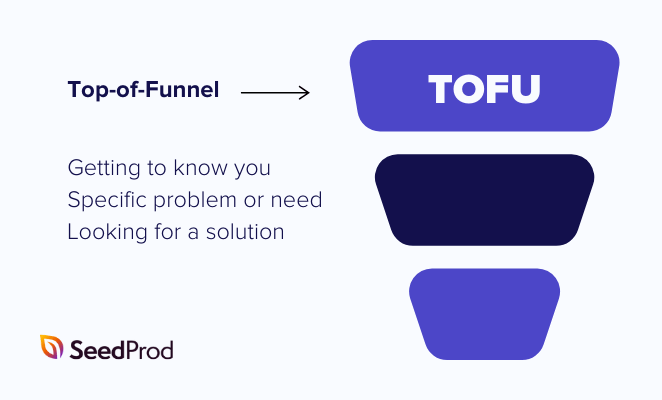
Ganz oben im Funnel lernen potenzielle Kunden Sie gerade erst kennen. Sie haben vielleicht ein Problem oder ein Bedürfnis, sind sich aber noch nicht ganz sicher, was die Lösung ist oder wem sie vertrauen sollen.
Das Ziel einer TOFU-Landingpage ist es:
- Aufmerksamkeit erregen: Verwenden Sie auffällige Überschriften und Bilder, um Besucher vom Scrollen abzuhalten.
- Interesse wecken: Heben Sie das Problem, das Ihr Produkt oder Ihre Dienstleistung löst, auf eine Weise hervor, die bei Ihrer Zielgruppe Anklang findet.
- Vertrauen aufbauen: Etablieren Sie Glaubwürdigkeit mit Testimonials, Fallstudien oder Datenpunkten.
Einige Beispiele für TOFU-Landingpages sind „Coming Soon“-Seiten, Blogbeiträge und Lernressourcen.

Phase 2: Middle-of-Funnel (MOFU)
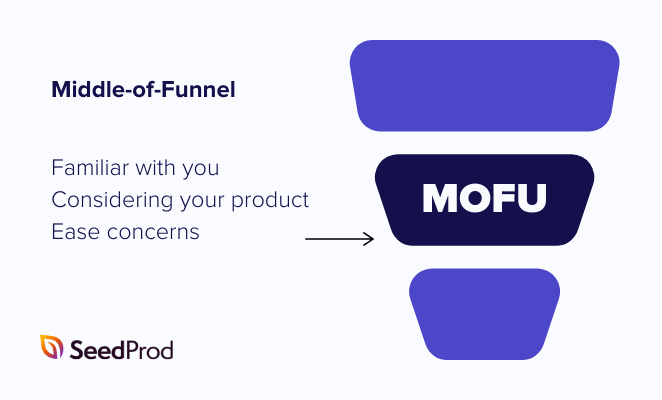
Okay, Ihr potenzieller Kunde kennt nun Ihre Marke und Ihr Angebot. Er ist von der „Aufmerksamkeits“-Phase in die „Überlegungs“-Phase übergegangen. Hier kommen MOFU-Landingpages ins Spiel.
Das Ziel einer MOFU-Landingpage ist es:
- Engagement vertiefen: Bieten Sie detailliertere Informationen über Ihr Produkt oder Ihre Dienstleistung und wie diese die Bedürfnisse des Kunden erfüllt.
- Einwände überwinden: Gehen Sie auf Zweifel oder Bedenken ein, die er bezüglich eines Kaufs haben könnte.
- Beziehung pflegen: Bieten Sie wertvolle Ressourcen an, die ihn bei der Stange halten und ihn einer Entscheidung näherbringen.
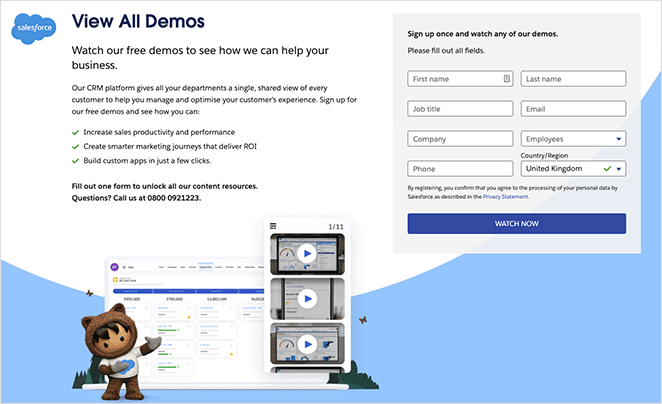
Gute Beispiele für MOFU-Landingpages sind Produkt-Demo-Seiten, Vergleichsseiten und Fallstudien-Seiten. Diese Beispiele für Landingpages im Sales Funnel helfen, Vertrauen aufzubauen, bevor der Verkauf abgeschlossen wird.
Phase 3: Bottom-of-Funnel (BOFU)
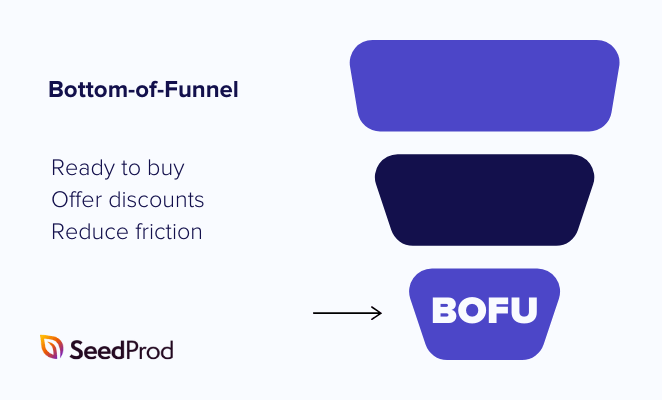
Ihr potenzieller Kunde steht kurz vor einem Kauf. Er hat recherchiert und Optionen verglichen und ist fast bereit, sich zu entscheiden. Hier besiegeln BOFU-Landingpages den Deal.
Das Ziel einer BOFU-Landingpage ist es:
- Conversions fördern: Machen Sie es Leads so einfach wie möglich, den letzten Schritt zu tun und zu kaufen.
- Dringlichkeit erzeugen: Nutzen Sie zeitlich begrenzte Angebote und Rabatte oder heben Sie Knappheit hervor, um sofortiges Handeln zu fördern. Studien haben gezeigt, dass die Nutzung von Knappheitstaktiken auf Ihrer Landingpage die Conversions um bis zu 332 % steigern kann. Quelle: CXL
- Reibung reduzieren: Vereinfachen Sie den Checkout-Prozess und geben Sie klare Anweisungen, um Hindernisse zu minimieren.
Beispiele für BOFU-Landingpages sind Verkaufsseiten, Seiten für kostenlose Beratungen und sogar produktspezifische Webinar-Registrierungsseiten.
Der häufigste Fehler, den ich auf BOFU-Seiten sehe, sind zu viele Ausstiegspunkte. Navigationsmenüs, Social-Media-Links und Widgets für verwandte Beiträge geben Besuchern einen Grund, die Seite zu verlassen, bevor sie konvertieren. Entfernen Sie sie. Eine BOFU-Seite sollte eine Option haben: die Aktion ausführen oder gehen.
Wie die Phasen zusammenhängen
Die drei Phasen funktionieren nur, wenn die Seiten aufeinander aufbauen. Eine TOFU-Seite sammelt eine E-Mail-Adresse. Dieser Besucher erhält dann eine automatisierte Willkommens-E-Mail mit einem Link zu Ihrer MOFU-Seite.
Nachdem er eine Fallstudie gelesen oder eine Demo angesehen hat, verweist eine Follow-up-E-Mail auf Ihre BOFU-Verkaufsseite. Ein Opt-in-Formular übernimmt die TOFU-Erfassung. Ihr E-Mail-Dienst übernimmt die Follow-up-Sequenz. Sie richten die Weiterleitung von jeder Formularübermittlung ein, um Besucher zur nächsten Seite zu leiten.
Um eine erfolgreiche Sales Funnel Landingpage zu erstellen, reicht das Design allein nicht aus. Die meisten Landingpages konvertieren zu 2–5 %. Eine gut optimierte Funnel-Seite, die für ihre spezifische Phase erstellt wurde, kann 10–15 % erreichen.
Hier liegt der Unterschied.
Machen Sie es leicht verständlich
Halten Sie Ihre Landingpage einfach und gut lesbar, mit klaren Überschriften und hochwertigen Bildern.
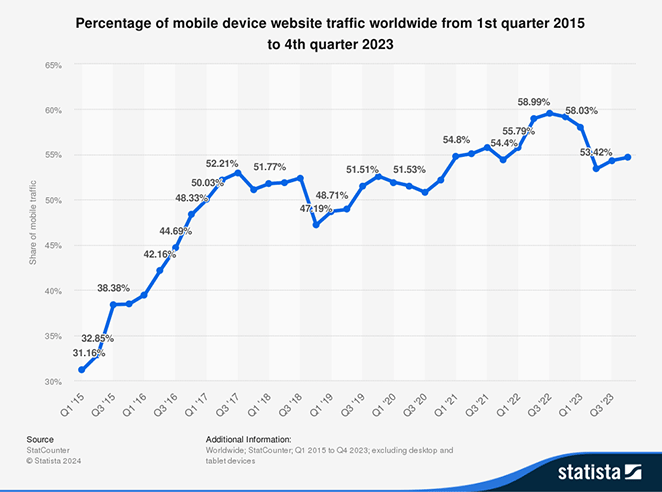
Über 58 % der Menschen besuchen Websites auf ihren Handys, stellen Sie also sicher, dass Ihre Website auf jedem Gerät gut aussieht. Quelle: Statista
Die Seitengeschwindigkeit ist ebenfalls wichtig. In meinen Tests mit GTmetrix lud eine von SeedProd erstellte Landingpage in 556 ms mit 16 HTTP-Anfragen. Eine von Elementor erstellte Seite benötigte 1.882 ms mit 32 Anfragen. Langsame Seiten verlieren mobile Besucher, bevor sie überhaupt Ihre Überschrift lesen.
Sagen Sie den Leuten, was sie tun sollen
Ihr Call to Action, also der Button, auf den geklickt wird, sollte offensichtlich sein. Verwenden Sie Aktionswörter wie „Jetzt herunterladen“ oder „Heute starten“.

Ein klarer Call to Action bringt mehr Leute zum Klicken, was mehr Verkäufe bedeutet.
Testen und verbessern Sie kontinuierlich
Scheuen Sie sich nicht, verschiedene Dinge auszuprobieren. Sehen Sie, was passiert, wenn Sie verschiedene Überschriften, Bilder oder Button-Platzierungen verwenden.
Führen Sie A/B-Split-Tests für Ihre Seiten durch und analysieren Sie die Daten, um zu sehen, was am besten funktioniert. Mit kleinen Änderungen können Sie Ihre Landingpage im Laufe der Zeit noch besser machen.
Beispiele für Sales-Funnel-Landingpages
Bevor Sie mit dem Erstellen beginnen, ist es hilfreich zu sehen, wie eine gut aufgebaute Funnel-Seite in jeder Phase aussieht. Hier sind drei SeedProd-Vorlagenbeispiele, eines pro Phase, und was jede einzelne ausmacht.
TOFU-Beispiel: Lead-Squeeze-Seite
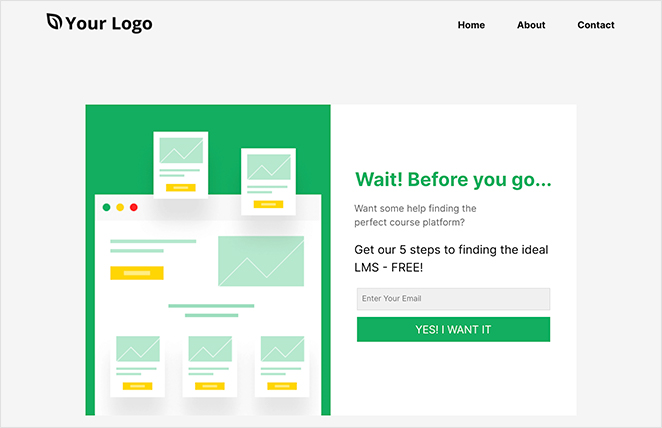
Eine Lead-Squeeze-Seite erfasst eine E-Mail-Adresse im Austausch für etwas Wertvolles: einen kostenlosen Leitfaden, eine Checkliste oder einen Mini-Kurs. Die SeedProd Lead Squeeze-Vorlagen haben ein Formularfeld, einen Button und kein Navigationsmenü.
Dieser Fokus ist der Grund, warum sie konvertieren. Ich verwende diese Art von Seite, um einem neuen Publikum ein Thema vorzustellen, bevor ich sie bitte, etwas zu kaufen.
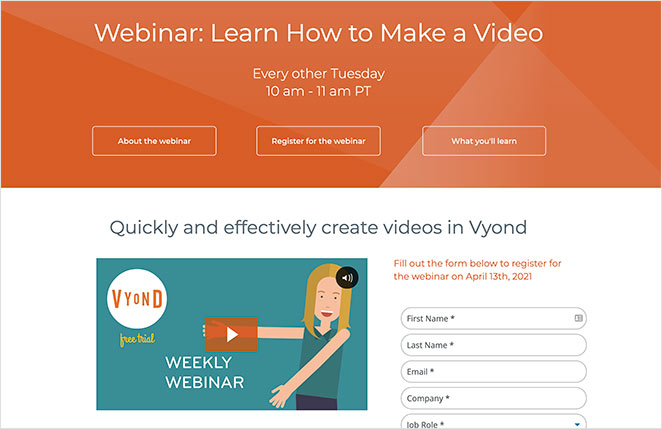
MOFU-Beispiel: Webinar-Registrierungsseite

Eine Webinar-Registrierungsseite bietet einem MOFU-Besucher etwas, wozu er sich verpflichten kann: ein Datum, ein Thema, einen Grund, engagiert zu bleiben. Die Webinar-Vorlagen von SeedProd enthalten Countdown-Timer, Sprecher-Bios und ein Registrierungsformular.
Der Countdown erzeugt eine leichte Dringlichkeit, ohne aufdringlich zu verkaufen. Dies ist die Phase, in der Sie genügend Vertrauen aufbauen, um nach ihrer Zeit zu fragen, nicht nach ihrem Geld.
BOFU-Beispiel: Verkaufsseite
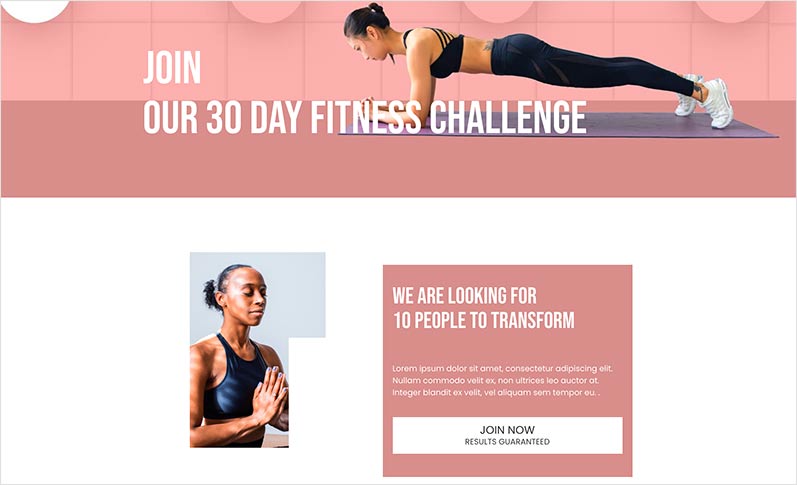
Eine Verkaufsseite ist der Ort, an dem die Konversion stattfindet. Der Sales-Filter von SeedProd bietet dafür erstellte Vorlagen: nutzenorientierte Überschriften, Social-Proof-Bereiche und einen klaren Kauf-Button.
Die Vorlage „Dinner Sales Page“, die ich in dieser Anleitung verwende, hat alle drei. Starke Überschrift, Testimonials und ein einzelner CTA oberhalb der Falz.
So erstellen Sie eine Sales-Funnel-Landingpage in WordPress
Wie Sie gelernt haben, hilft der Aufbau eines erfolgreichen Sales Funnels dabei, Besucher zu einem Kauf zu leiten. SeedProd hat keinen integrierten Funnel-Builder, aber es bietet Ihnen alles, was Sie brauchen, um jede Seite zu erstellen, die Ihr Funnel benötigt.
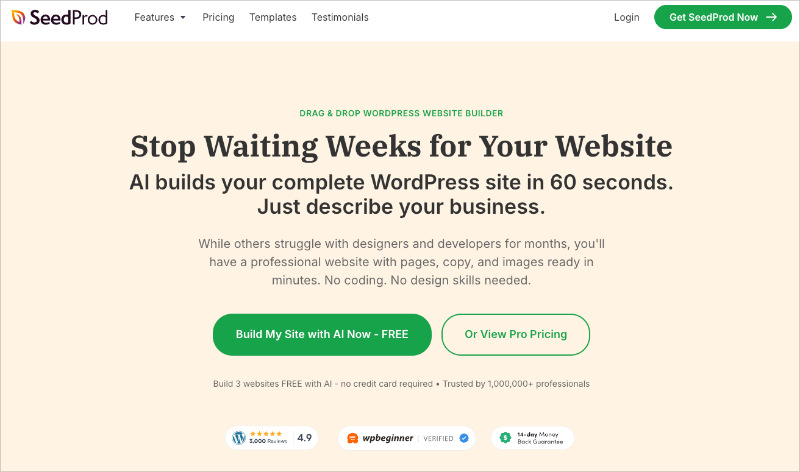
SeedProd ist ein Drag-and-Drop WordPress Landing Page Builder, der es einfach macht, eine Sales-Funnel-Seite in WordPress zu erstellen, ohne Code anfassen zu müssen. Sie können es auch verwenden, um benutzerdefinierte WordPress-Themes von Grund auf zu erstellen und sie nach Belieben anzupassen.
Hier erfahren Sie, wie Sie mit SeedProd eine Sales-Funnel-Landingpage erstellen.
1. SeedProd installieren und einrichten
Besuchen Sie zuerst die SeedProd-Website, laden Sie dann das Plugin herunter, installieren und aktivieren Sie es. Wenn Sie Hilfe bei diesem Schritt benötigen, lesen Sie bitte unsere Dokumentation zum Thema Installation von SeedProd.
Obwohl es eine kostenlose Version von SeedProd gibt, verwende ich SeedProd Pro für die zusätzlichen Pro-Vorlagen und -Blöcke.
2. Wählen Sie eine Landingpage-Vorlage
Nach der Installation gehen Sie in Ihrem WordPress-Dashboard zu SeedProd » Landing Pages und klicken Sie auf die Schaltfläche „Neue Landingpage hinzufügen“.
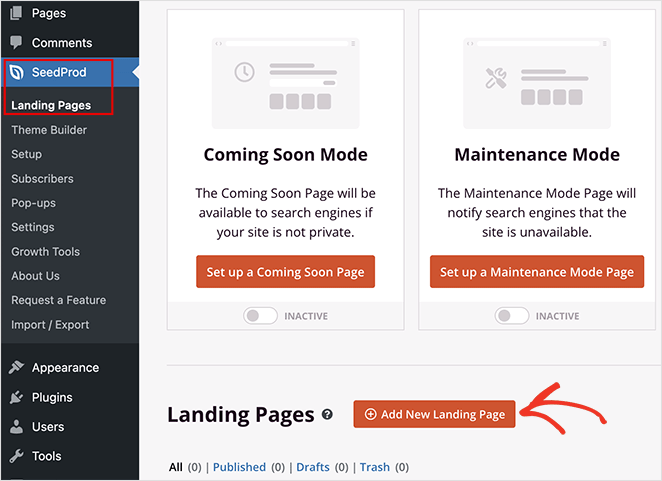
Dies ermöglicht es Ihnen, Hunderte von vorgefertigten Landingpage-Vorlagen zu durchsuchen, die Sie als Grundlage für Ihr Design verwenden können.
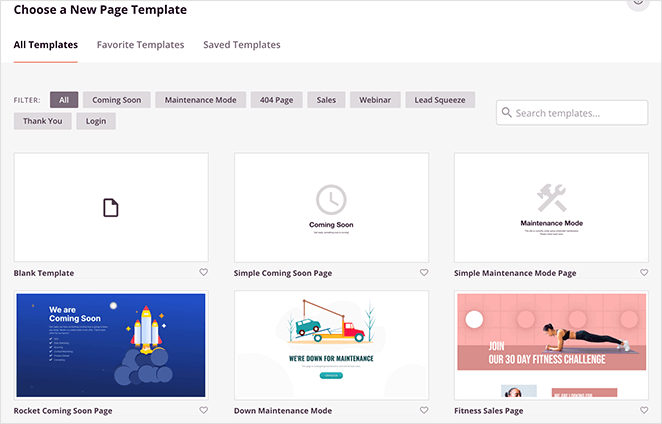
Verwenden Sie die Filter oben, um eine Vorlage zu finden, die für die Art der Funnel-Seite, die Sie erstellen, geeignet ist.
Verwenden Sie für TOFU-Seiten die Vorlagen „Lead Squeeze“, „Webinar“ oder „Coming Soon“, um Aufmerksamkeit zu erregen und Kontaktinformationen zu sammeln.
Verwenden Sie für MOFU-Seiten die Vorlagen „Kostenlose Beratung“ oder „Webinar-Registrierung“. Sie geben Besuchern etwas Konkretes, worauf sie sich einlassen können, während Sie vor dem Verkauf Vertrauen aufbauen.
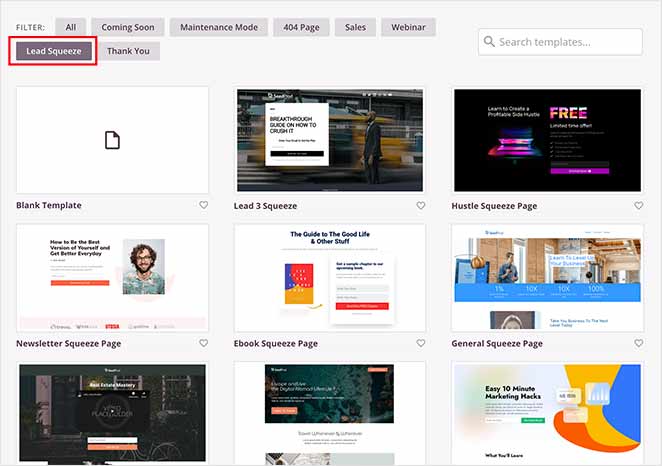
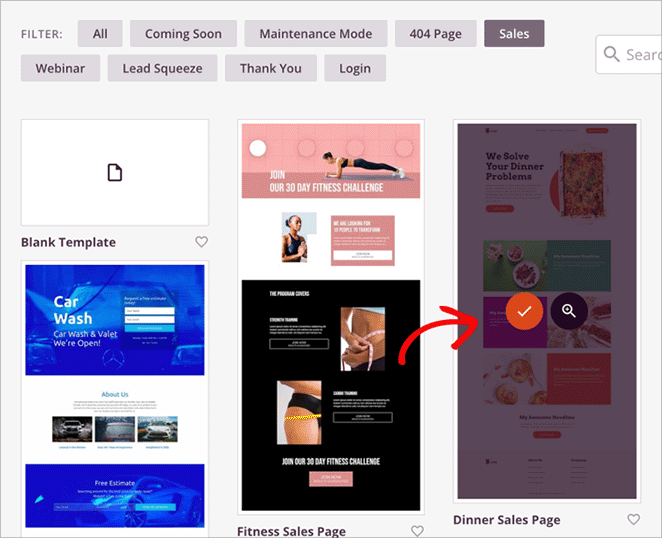
Oder für BOFU-Seiten bietet der Sales-Filter viele Vorlagen zum Erstellen von hochkonvertierenden Verkaufsseiten.
Ich werde für diese Anleitung die Vorlage „Dinner Sales Page“ verwenden. Um sie auszuwählen, fahren Sie einfach mit der Maus über die Miniaturansicht und klicken Sie auf das Häkchensymbol.
3. Passen Sie Ihre Sales-Funnel-Landingpage an
Der Drag-and-Drop-Editor hat Blöcke auf der linken Seite und eine Live-Vorschau auf der rechten Seite. Sie können Inhalte, Schriftarten, Farben und Bilder ändern, indem Sie direkt auf ein beliebiges Element klicken.
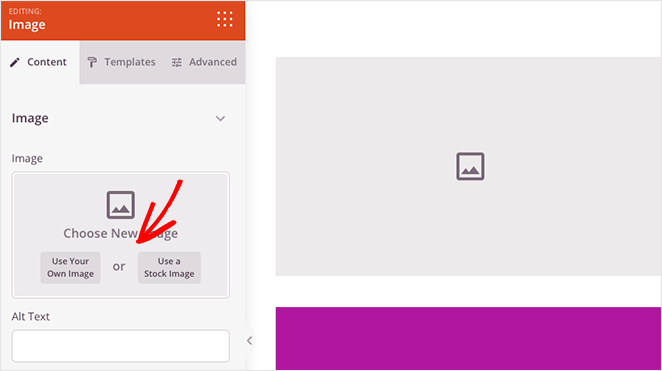
Um ein Bild zu ändern, klicken Sie auf den Bildblock, löschen Sie den Platzhalter und wählen Sie ein neues Bild aus Ihrem Computer oder der WordPress-Mediathek aus.
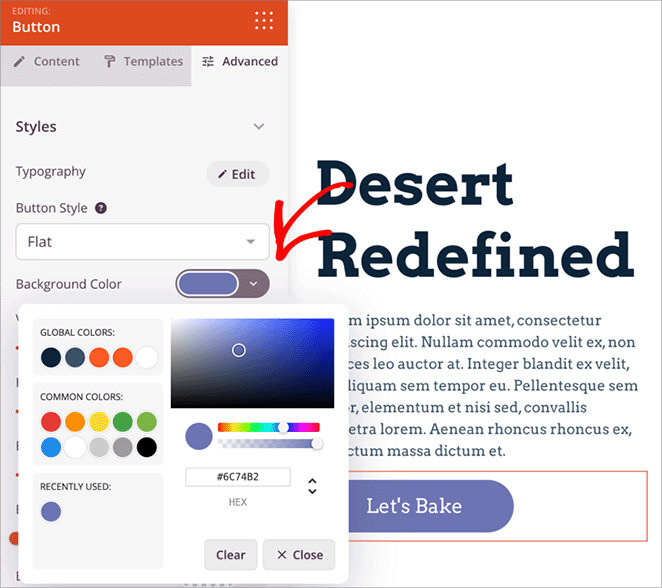
Um eine Schaltfläche zu ändern, klicken Sie auf den Schaltflächenblock, öffnen Sie die Registerkarte Erweitert, suchen Sie Hintergrundfarbe und verwenden Sie den Farbwähler.
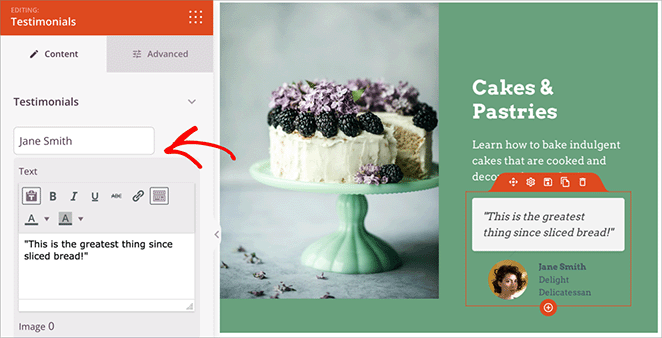
Ich füge meinen Verkaufsseiten immer Testimonials hinzu. Der durchschnittliche Verbraucher liest etwa 10 Online-Bewertungen, bevor er kauft. Mit dem Testimonial-Block von SeedProd können Sie Bewertungen mit benutzerdefinierten Kopfbildern und Text einfügen.
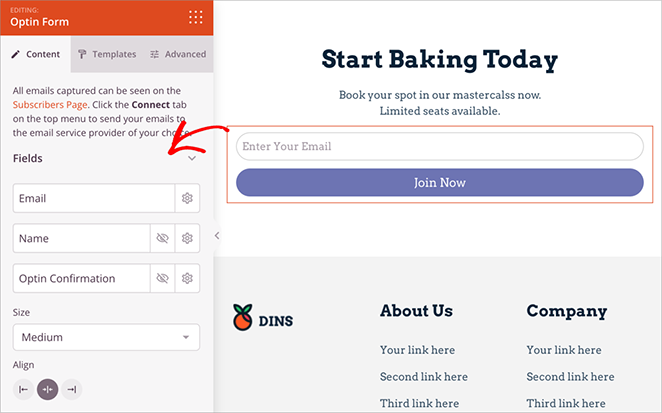
Verwenden Sie für Lead-Capture-Seiten den Block „Opt-In-Formular“. Sie können die Formularfelder und den Schaltflächentext anpassen und ihn direkt mit Ihrem E-Mail-Dienst verbinden.
Profi-Tipp: Verwenden Sie die globalen Einstellungen von SeedProd, um Ihre Markenfarben und -schriftarten mit einem Klick auf die gesamte Seite anzuwenden.
4. Verbinden Sie sich mit Ihrem E-Mail-Dienst
Wenn Besucher ihre E-Mail-Adresse eingeben, möchten Sie, dass sie automatisch zu Ihrer Liste hinzugefügt werden. Klicken Sie oben im Builder auf die Registerkarte Verbinden, um SeedProd mit Ihrem E-Mail-Dienst zu verknüpfen.
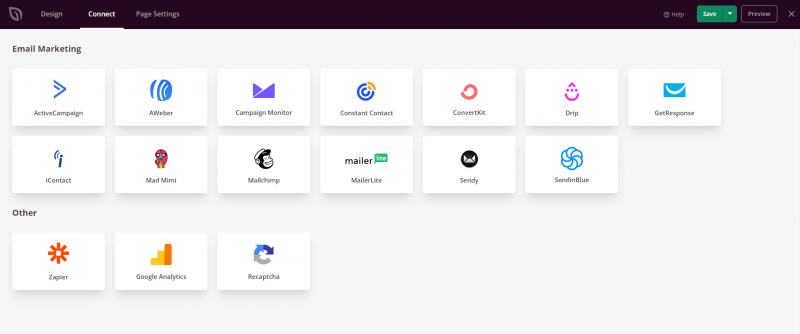
SeedProd verbindet sich mit Constant Contact, Kit und vielen anderen. Sobald die Verbindung hergestellt ist, fügt jede Formularübermittlung Kontakte zu Ihrer Liste hinzu und kann automatisch eine Willkommens-E-Mail oder eine Follow-up-Sequenz auslösen.
5. Vorschau und Veröffentlichung Ihrer Landingpage
Bevor Sie veröffentlichen, überprüfen Sie mit den Vorschau-Symbolen in der unteren Symbolleiste, wie Ihre Seite auf Mobilgeräten, Tablets und Desktops aussieht. Die meisten Ihrer Besucher werden über Mobilgeräte zugreifen, daher ist dieser Schritt wichtig.
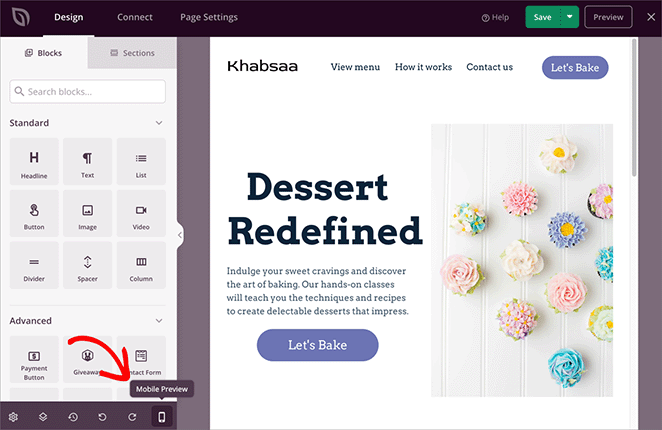
Wenn Sie mit dem Design zufrieden sind, klicken Sie auf Speichern, dann auf den Dropdown-Pfeil der Schaltfläche Speichern und wählen Sie Veröffentlichen.
Wenn Ihre Seite nicht konvertiert, überprüfen Sie zuerst diese drei Dinge:
- Ihr CTA-Text ist zu vage. „Senden“ und „Hier klicken“ schneiden schlecht ab. Wechseln Sie zu handlungsspezifischem Text wie „Mein kostenloses Handbuch erhalten“ oder „Meine Testversion starten“.
- Ihre Überschrift stimmt nicht mit Ihrer Anzeige überein. Wenn jemand auf eine Anzeige für „kostenlose SEO-Checkliste“ geklickt hat und auf einer generischen Lead-Seite gelandet ist, wird er die Seite verlassen. Passen Sie die Nachricht genau an.
- Ihr mobiles Layout ist fehlerhaft. Verwenden Sie die mobile Vorschau von SeedProd, bevor Sie veröffentlichen. Ein abgeschnittener Button oder ein Formular, das schwer zu tippen ist, führt lautlos zu Konversionsverlusten.
Was ist der Unterschied zwischen einer Landingpage und einem Sales Funnel?
Eine Landingpage ist eine einzelne Webseite mit einem einzigen Konversionsziel. Ein Sales Funnel ist eine Reihe von Seiten, die Besucher von der Bekanntheit bis zum Kauf führen. Die beiden arbeiten zusammen: Ihr Funnel besteht aus Landingpages, die jeweils für eine bestimmte Phase erstellt wurden. Sie können eine Landingpage ohne Funnel haben, aber Sie können keinen Funnel ohne Landingpages haben.
Wie verbindet man Landingpages zu einem Sales Funnel?
Sie verbinden Funnel-Seiten durch Formular-Weiterleitungen und E-Mail-Sequenzen. Wenn ein Besucher ein TOFU-Formular absendet, wird er auf eine Dankesseite weitergeleitet und zu Ihrer E-Mail-Liste hinzugefügt. Ihr E-Mail-Dienst sendet ihn dann zur MOFU-Seite. Nach der MOFU-Seite sendet eine Follow-up-E-Mail ihn zur BOFU-Verkaufsseite. Der Connect-Tab von SeedProd kümmert sich um die Integration des E-Mail-Dienstes, und die Weiterleitungseinstellung jedes Formulars steuert, wohin die Besucher als Nächstes gehen.
Was ist eine gute Konversionsrate für eine Sales Funnel Landingpage?
Die meisten Landingpages konvertieren bei 2-5%. Eine gut optimierte Sales Funnel Landingpage, die für ihre spezifische Phase erstellt wurde, kann 10-15% erreichen. TOFU-Seiten konvertieren typischerweise niedriger, da der Traffic breiter ist und die Absicht geringer ist. BOFU-Seiten konvertieren höher, da der Besucher bereits kurz vor einer Entscheidung steht. Verfolgen Sie jede Seite separat in Google Analytics, anstatt den gesamten Funnel zu mitteln.
Erstellen Sie noch heute Ihren Sales Funnel
- Denken Sie wie Ihr Kunde: Nutzen Sie Landingpages, um Menschen Schritt für Schritt zu einem Kauf zu führen.
- SeedProd ist Ihr Werkzeug: Erstellen Sie hochkonvertierende Funnel-Seiten in WordPress, ohne Code anzufassen.
- Scheuen Sie sich nicht zu experimentieren: Testen Sie verschiedene Ansätze, um herauszufinden, was für Ihr Publikum am besten konvertiert.
Bereit, Ihr Geschäft auszubauen? Starten Sie noch heute mit SeedProd und erstellen Sie Sales Funnel-Seiten, die konvertieren.
Danke fürs Lesen! Wir würden uns freuen, Ihre Gedanken zu hören. Treten Sie also gerne der Unterhaltung auf YouTube, X und Facebook bei, um weitere hilfreiche Ratschläge und Inhalte für das Wachstum Ihres Unternehmens zu erhalten.